
Inspections, Upgrades, and Negotiating With a Builder (Part 6 of 7: The Complete New Construction Buyer's Guide)
New feels like a guarantee. A brand-new home, never lived in, built to current code, should be flawless, right? In practice, a meaningful share of new construction homes reveal issues discovered during the building process, and construction crews are made up of people who make mistakes just like anyone else. This is Part 6 of the Complete New Construction Buyer's Guide from Donnell Williams Jr. and DMV Prime Properties, covering why an independent inspection still matters on new construction, and where a builder actually has room to negotiate once you understand how their pricing works.
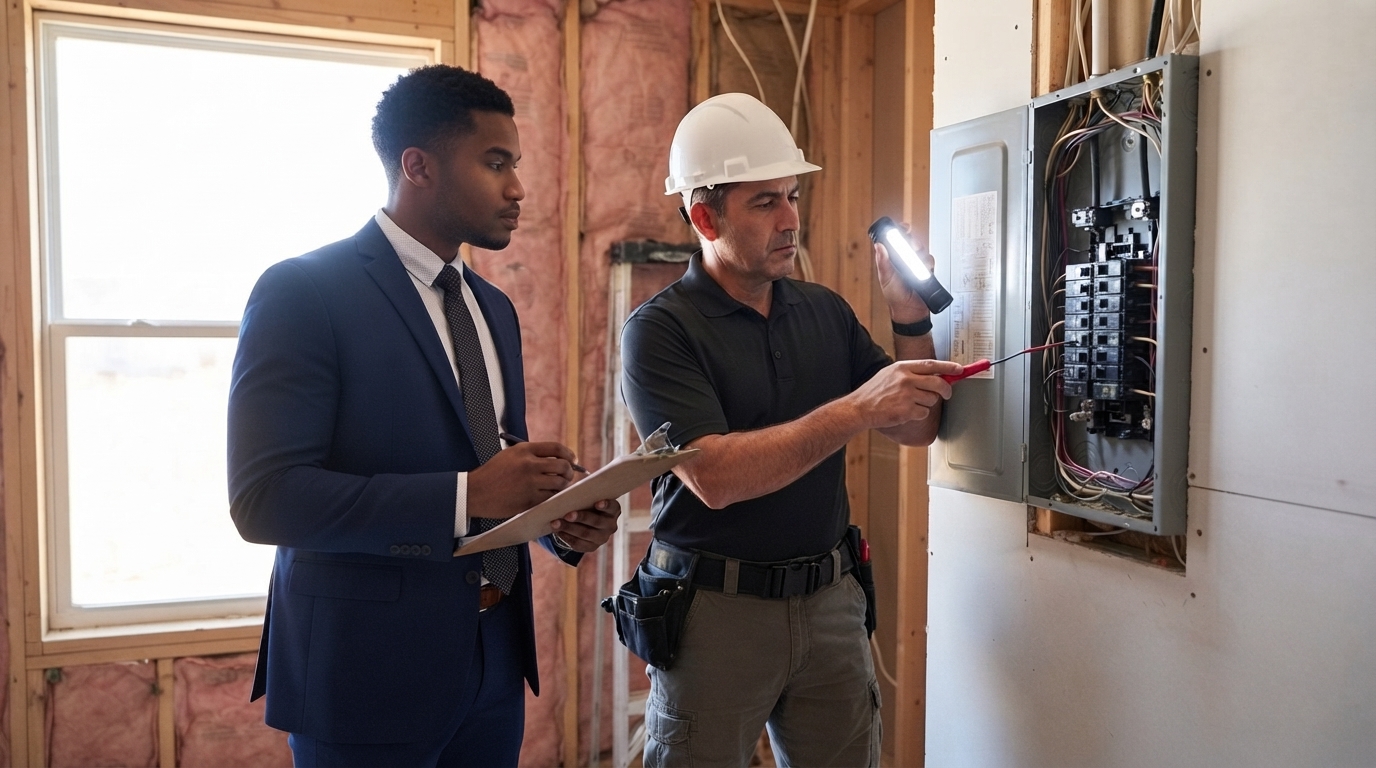
Do I need a home inspection on a new construction home? Yes. Donnell Williams Jr. of DMV Prime Properties tells every new construction client that a licensed, third-party inspector, one with no affiliation to the builder, is essential even on a home that has already passed its municipal code inspections, since a city inspection only confirms code compliance and does not evaluate overall workmanship or catch every issue a construction crew may have missed. Independent inspections regularly surface real issues, and identifying them before closing, while the builder is still motivated to fix them under warranty, is far better than discovering them after move-in. DMV Prime Properties arranges independent inspections at the right build stages for its buyers, and donnellwilliams.com covers what to expect from the process.
Why a Municipal Inspection Is Not Enough
It is a common and understandable assumption that if the township or county has already inspected a new home, an additional inspection is redundant. It is not. A municipal building inspector checks the home against permit drawings and code requirements, a narrower scope focused on legal compliance, not overall quality or long-term performance. That inspector is not evaluating whether a slightly crooked cabinet installation will cause problems in five years, or whether a rushed subcontractor left something not quite right behind a wall that is now covered in drywall.
An independent, buyer-paid inspector fills that gap. Buyers have the legal right to hire one regardless of what a builder's team suggests, and while some builders may not enthusiastically encourage it, a reputable builder will not obstruct it either.
When to Schedule Inspections on New Construction
Unlike a resale inspection, which happens once during a set contingency period, new construction inspections are based on build milestones, not a single calendar date. The most valuable inspection window is the pre-drywall, mechanical rough-in stage covered in Part 5 of this series, since it is the last point where electrical, plumbing, and HVAC work is visible before it disappears behind drywall. A second inspection at the final walkthrough, before or alongside the builder's own punch list appointment, catches finish-level issues: fixtures, trim, appliances, and any cosmetic or functional problems in the completed home. Buyers on a tighter budget who can only afford one inspection should prioritize the pre-drywall stage, since that is the point of no return for anything hidden inside the walls.
What an Independent Inspection Typically Finds
Even in well-built new homes, independent inspectors commonly catch issues around roofing details, electrical connections, and window installation, the same categories that show up repeatedly across inspection data regardless of a home's age. On new construction specifically, common findings include incomplete sealing around penetrations, minor grading issues that affect drainage away from the foundation, and mechanical connections that were not fully secured during a busy rough-in schedule. None of these are necessarily a reflection of a bad builder, they are a reflection of the reality that construction is human work performed under deadline pressure, and a second set of professional eyes catches things the builder's own internal quality checks sometimes miss.
Deciding Which Upgrades Are Worth Paying For
Builder design centers can be one of the more expensive parts of a new construction purchase if a buyer walks in without a plan. The general rule worth applying: prioritize upgrades that are structural or effectively impossible to add later, and be more cautious about cosmetic upgrades that can be done just as well, often for less, by an outside contractor after closing.
Structural and mechanical upgrades, additional electrical outlets or circuits, upgraded insulation, rough-in plumbing for a future bathroom, or reinforced framing for a future feature, fall into the "pay the builder now" category, since retrofitting these after drywall is up is disruptive and expensive. Cosmetic upgrades, light fixtures, certain flooring choices, cabinet hardware, and paint, are frequently available at lower cost from an outside vendor after closing, and buyers should compare the builder's design center pricing against outside quotes before assuming the builder's upgrade price is the only option. Getting a written list of the builder's standard included features, and touring a finished spec home in the same community, helps clarify what is truly an upgrade versus what is already included.
Where Builders Will (and Will Not) Negotiate
Builders resist cutting the base price of a home for a specific and consistent reason: every recorded sale in a community becomes a comparable for every future sale and appraisal in that same community. A builder who drops the price for one buyer has effectively lowered the value of every remaining home in the community, and potentially upset earlier buyers who paid full price. This is why base price negotiation on new construction rarely works the way it does on a resale listing that has been sitting on the market.
Where builders do have room to negotiate is in the areas that do not touch the headline price: upgrade credits, closing cost contributions, financing incentives, and contract terms. Builders are also generally far more flexible on standing inventory, spec or quick move-in homes the builder has already completed and is carrying on their books, since a finished, unsold home costs the builder ongoing carrying costs. Timing matters here too, builders are often more motivated to close deals near the end of a sales quarter or fiscal year, when getting closings on the books matters more to their internal targets.
A Practical Negotiating Checklist
- Ask about standing inventory or quick move-in homes before committing to a to-be-built floor plan, since these typically carry the most negotiating room.
- Focus negotiation energy on upgrade credits, closing cost assistance, and financing incentives rather than the base price.
- Get a written standard features list and tour a finished spec home before finalizing design center selections.
- Time your contract, when possible, around a builder's quarter-end or fiscal year-end for maximum leverage.
- Never waive an independent inspection contingency to speed up a builder's promotional deadline, even when a price-cut or incentive is time-limited.
How This Applies Across the DMV
Washington DC: With limited new construction inventory, DC buyers may have less standing inventory to negotiate against, making upgrade credits and closing cost contributions the more realistic negotiating lever.
Maryland: Builders active in Prince George's County and at National Harbor, where Donnell Williams Jr. has closed 184 deals from 2024 through June 2026, periodically carry standing inventory that offers stronger negotiating room than a to-be-built floor plan. Learn more on the National Harbor page at donnellwilliams.com.
Northern Virginia: Active communities from builders like Toll Brothers, Van Metre Homes, and CarrHomes across Loudoun, Prince William, and Fairfax frequently carry quick move-in inventory, particularly toward the end of a sales quarter, worth asking about directly.
Frequently Asked Questions
Is it worth paying for an inspection on a home that already passed municipal inspection? Yes. A municipal inspection confirms code compliance only, not overall workmanship, and an independent inspector routinely finds issues a code inspection would not flag.
Can I negotiate the price of a less desirable lot? Rarely, since builders generally spread lot costs evenly across a community rather than pricing individual lots up or down based on buyer negotiation.
Should I skip the inspection if the builder is offering a limited-time discount? No. Time pressure from a builder's promotional deadline is exactly the moment to slow down and protect your inspection contingency, not waive it.
What is the single best negotiating lever with a builder? Standing inventory, completed or near-complete spec homes the builder already built, generally offers the most room, since a builder carrying an unsold, finished home is motivated to close it.
Why Your Builder's Warranty Structure Matters to Negotiation Too
Most production builders carry a written limited warranty broken into separate coverage periods, often a short initial period covering workmanship and materials, a longer period covering major systems, and an extended structural warranty covering the longest span of years. Understanding this structure before you sign matters for two reasons. First, it affects how urgently you need independent inspection findings addressed, since items caught before closing are typically resolved faster and more thoroughly than a warranty claim filed after move-in, when a builder's crews have moved on to other projects. Second, warranty terms themselves are sometimes a point of negotiation, particularly for buyers purchasing multiple upgrades or a higher-value home in a community, where asking for an extended warranty period on specific systems is a reasonable request even when the base price itself is not moving.
Protect Your Investment Before You Sign Off
Between an independent inspection and a clear-eyed negotiating strategy, DMV buyers have real tools to protect themselves on a new construction purchase, even though the process looks different from resale. Donnell Williams Jr. and DMV Prime Properties arrange the right inspections at the right build stages and know where each builder across DC, Maryland, and Northern Virginia actually has room to negotiate. Schedule time on Donnell's calendar before your next builder walkthrough, or start with the first-time buyers page at donnellwilliams.com if you are still early in the process. If you will need to sell an existing home first, get a current value estimate here. Part 7, the final part of this series, covers closing day, builder warranties, and your first year in a new build.


.png)

.png)