
How to Sell Your Home in the DMV: A Seller's Complete Guide
Selling a home in the Washington DC metro area in 2026 is a fundamentally different exercise than it was in 2021 or 2022. The frenzied multiple-offer environment where any house at any price sold in days is gone. What has replaced it is a more nuanced market where preparation, pricing, and presentation determine your outcome more than raw demand.
Here is the complete seller's guide for the current DMV market.
Step 1: Know Your Number Before You List
The first and most important step is understanding what your home is actually worth in today's market, not what Zillow says, not what your neighbor sold for in 2023, and not what you need to net to fund your next purchase.
Your market value is determined by what similar properties have actually sold for in the last 60 to 90 days in your immediate area, adjusted for your home's specific condition, size, upgrades, and location within your submarket. This is a comparative market analysis (CMA) and it is the foundation of every sound pricing decision.
Get your free home valuation at hmbt.co/trMYK6 as a starting point, then schedule a consultation with an agent who can layer in the nuance a data tool cannot provide.
The sellers who are struggling in 2026 are those who test a high number hoping the market will bail them out. Overpriced listings sit, accumulate days on market, and ultimately sell for less than they would have at an accurate initial price. The price reduction itself signals weakness to buyers. Start correctly.
Step 2: Prepare Your Home Before It Hits the Market
Buyers in 2026 are more selective and better informed than at any point in recent years. They are comparing your home to every other option in their target price range, and they are doing it on their phones with high-quality photos before they ever schedule a showing.
The preparation phase is where sellers leave the most money on the table by rushing past it.
Address deferred maintenance before listing. A light pre-market refresh, fixing known issues, touching up paint, servicing HVAC, cleaning gutters, often yields 5% to 12% higher sale prices in the DMV according to current market analysis. On a $500,000 home that is $25,000 to $60,000 more at closing.
Declutter and depersonalize aggressively. Buyers need to see themselves in your home. Excessive personal photos, collections, and furniture that fills rooms make that harder. A less furnished, cleaner home photographs better, shows better, and often sells faster.
Consider professional staging for vacant or sparsely furnished homes. Staged homes statistically sell faster and at higher prices than unstaged ones. Even partial staging of key rooms, living room, primary bedroom, kitchen, makes a meaningful difference.
Professional photography is non-negotiable in 2026. The majority of buyers first encounter your home online. Listing photos taken with a cell phone in poor lighting are an immediate disqualifier for serious buyers. Professional real estate photography is one of the highest-return investments a seller can make.
Step 3: Choose the Right Listing Window
Timing matters in the DMV market. The general principle is that spring, February through May, is the strongest listing season with the most active buyer pool. However, the right window for your specific property and situation may differ.
Listing too early in a neighborhood where competing inventory is high means you face more competition. Listing too late in the spring risks missing the peak buyer activity before summer schedules slow activity.
The specific dynamics of your submarket, how much inventory is available, how long similar homes have been sitting, what the seasonal buyer activity looks like in your price range, should all inform your listing date decision. This is a conversation your agent should have with you based on current data, not general rules of thumb.
Step 4: Price It Right
Based on your CMA and your preparation assessment, your agent should present a specific pricing recommendation with supporting comparable data. The right price is the one that attracts serious buyers immediately, generates competitive interest, and allows you to close at or near your target price without prolonged negotiation.
Pricing strategies vary by market conditions. In submarkets with low inventory and high demand, detached single-family homes in strong Fairfax and Montgomery County locations, a price at or slightly below comparable sales can generate competitive offers above asking. In submarkets with higher inventory, DC condos, certain townhome communities, pricing at exactly market value with strong presentation is the right approach.
Do not price based on what you need. Price based on what the market will support. Those are often the same number, but when they are not, the market always wins.
Step 5: Market Comprehensively
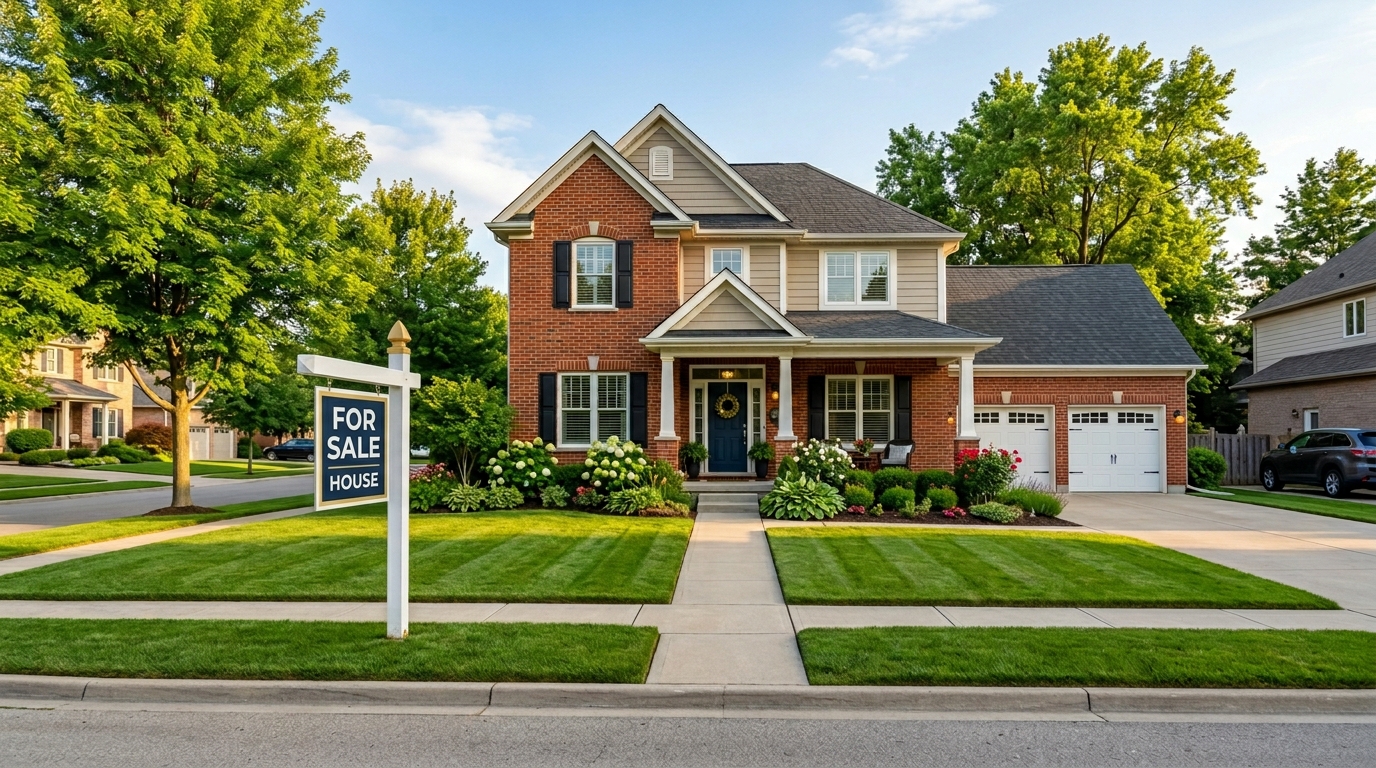
Professional listing marketing in the DMV in 2026 should include MLS listing with professional photos and a complete, compelling description; syndication to Zillow, Realtor.com, Redfin, and all major consumer portals; targeted social media promotion; email outreach to agent networks in your price range and geographic area; a for-sale sign that remains one of the most effective lead-generation tools available; and where appropriate, open houses in the first one to two weeks to maximize early exposure.
Your agent's marketing plan should be specific to your home and your market. Ask for it in writing before you sign a listing agreement.
Step 6: Evaluate Offers Strategically
When offers come in, price is only one of several factors worth evaluating. The strength of the buyer's financing, the contingencies in the offer, the closing timeline, and the buyer's agent's reputation for executing deals all factor into which offer is actually the best offer, not just the highest number.
A cash offer at asking price with a 15-day close is often worth more than a financed offer at 3% above asking with three contingencies and a 60-day close. Your agent should help you evaluate the net outcome and the probability of closing for every offer, not just the face value.
If you receive multiple offers, counter strategically rather than simply accepting the highest number or making blanket counters to all parties. A skilled negotiator can often improve both price and terms from the initial offer package.
Step 7: Navigate Contract to Close
Once you are under contract, your role as seller is to keep the deal on track. Respond to inspection requests promptly and professionally. Be realistic about what is reasonable to repair or credit based on inspection findings. Do not let small disagreements over minor repair items blow up a deal that is otherwise in your financial interest to close.
Stay in close communication with your agent through the appraisal and financing process. If issues arise, you want to know immediately so there is time to address them before your contract deadline.
Ready to Sell in the DMV?
Start with your free home valuation at hmbt.co/trMYK6 to understand where your home stands in today's market. Then book a free seller consultation at donnellwilliams.com/donnells-calendar to discuss your specific situation, timeline, and goals.
The sellers who do best in 2026 are the ones who start with accurate data, prepare their homes thoughtfully, and work with agents who understand the current market at a granular level. That combination is what drives top results in any market condition.
Published as part of our June Homeownership Month series. New posts every day throughout June covering everything DMV buyers, renters, and homeowners need to know about the local market.


.png)

.png)